Handmade Brush Typeface Review for Creative Branding
I opened a blank Figma file at 9:00 AM, staring down the barrel of a tight deadline for a local artisanal soap brand. The brief was simple but tricky: Handmade Brush needed to feel authentic without looking amateurish. I dragged the font into the header layer and immediately felt that familiar spark of recognition. It’s not just another brush script; it is an eye-catching display font with enough character to carry a whole visual identity, yet restrained enough to let the product photography breathe. As a brand designer who has spent years tweaking kerning pairs and testing legibility on dark backgrounds, I wanted to see if this typeface could survive the real-world stress test of a full brand board.
Handmade Brush as a Primary Logo Font for Boutique Brands
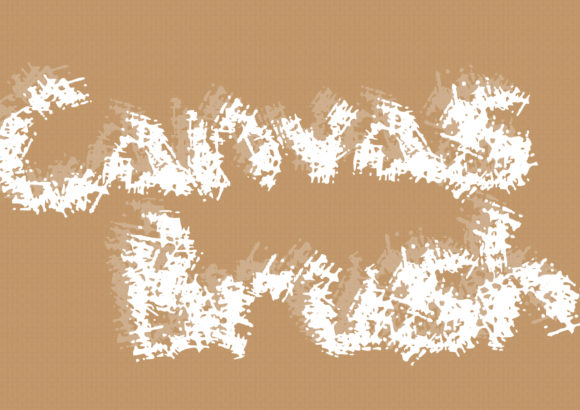
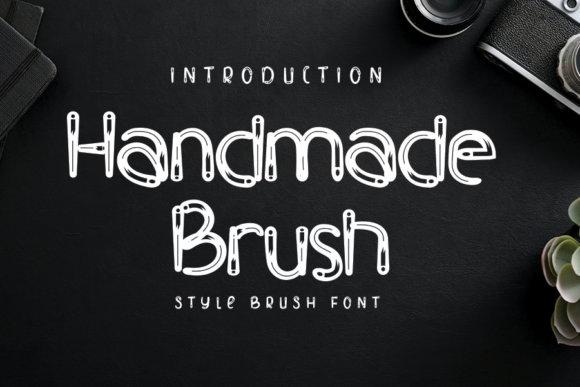
When you place Handmade Brush in the center of a logo draft, it demands attention. Unlike rigid geometric sans serifs or overly ornate calligraphy, this display font strikes a balance between casual warmth and structured design. In my recent project for a small-batch candle maker, I used it for the primary logotype. The strokes have a natural variation that mimics actual paint application, which instantly communicates "craft" and "handcrafted" to the viewer. However, using it as a standalone logo requires care. Because it is a creative font designed for impact rather than dense information, it works best when paired with a clean, neutral supporting typeface. I found that pairing it with a simple sans serif font for the tagline prevented the logo from feeling cluttered. The result was a brand mark that felt personal and inviting, perfectly suited for a handmade shop branding context where authenticity is the main selling point.
Handmade Brush for Packaging Design and Product Labels
Packaging design often suffers from visual noise, especially in the crowded beauty and food sectors. Testing Handmade Brush on a packaging mockup revealed its true strength: hierarchy. When applied to a product label, the unique look of the letters acts as a visual anchor. I placed it on a minimalist cream jar mockup, keeping the text short—just the product name and a key benefit. The contrast between the organic brush strokes and the sleek bottle shape created a sophisticated tension. This is exactly what happens when you use a premium font to brighten up any crafting project or retail item. It adds texture without adding weight. For online shop owners, this means your product thumbnails will stand out in search results because the typography itself tells a story before the customer even reads the description. Just remember that because it is a decorative font, it should never be used for ingredients lists or legal disclaimers; keep those in a highly readable sans serif font.
Handmade Brush in Social Media Graphics and Digital Assets
In the era of scrolling, grabbing attention in under two seconds is everything. I tested Handmade Brush across various social media layouts, including Instagram stories and Pinterest pins. The font’s high visibility makes it ideal for headlines and quotes. On a plain background, the textured edges of the letters catch the eye, breaking the monotony of standard grid-based designs. I used it for a promotional banner for a weekend craft fair, and the immediate feedback was positive—it looked like a professional graphic design asset rather than a Canva template. For content creators and marketers, this font offers a way to inject personality into digital marketing materials without needing complex illustrations. It serves as an excellent accent font for emphasizing key words in email newsletters or blog headers, helping to guide the reader’s eye through the content. Its versatility allows it to fit into modern typography systems that value human-centric design over sterile corporate aesthetics.
Handmade Brush for Wedding Invitations and Event Stationery
One of the most surprising applications I discovered was in editorial design, specifically for wedding invitations and event stationery. While many designers default to delicate scripts for weddings, Handmade Brush offers a bolder, more contemporary alternative. It feels less formal and more celebratory. I experimented with a suite of save-the-dates where the font was used for the couple’s names, set against a textured paper background. The interaction between the digital font and the simulated paper grain added a tactile quality to the digital proof. This approach appeals to couples looking for a rustic-chic or bohemian aesthetic. It is important to note that while it is beautiful for short phrases, it lacks the fluidity of a traditional handwritten font for long body text. Therefore, it works best as a headline font for titles, dates, and locations, leaving the detailed itinerary to a more traditional serif font or clean sans serif font.
Practical Considerations and Font Pairing Advice
Before committing to Handmade Brush for a final client deliverable, there are practical steps every designer should take. First, always review the included styles. Check for alternates, ligatures, and swashes if they are part of the package, as these can add significant polish to a design. For web design, ensure you have access to webfont availability or proper embedding codes so the font renders correctly across browsers. When building a complete brand identity, consistency is key. If you use Handmade Brush for your logo, consider using a complementary serif font for headings and a neutral sans serif font for body copy. This triad creates a balanced typographic system that feels intentional. Also, pay close attention to spacing. Display fonts often require wider tracking (letter-spacing) to maintain their airy, open feel. Tighter spacing can make the brush strokes bleed together, reducing readability.
Handmade Brush Licensing and Commercial Use Guidelines
As professionals, we must respect intellectual property rights. Before using Handmade Brush in commercial projects such as merchandise, print-on-demand products, or paid templates, you must verify the commercial font licensing terms. A personal license typically does not cover business use, and violating these terms can lead to costly legal issues. Ensure that the font is suitable for the scale of your project. For example, using it on a large-format poster is very different from using it on a tiny product tag. Always test the font at the actual size it will be reproduced. If you are designing for a global audience, check for multilingual support to ensure accented characters render correctly. By treating Handmade Brush as a strategic tool in your design arsenal, you can leverage its unique appeal to create memorable brand experiences that resonate with audiences seeking authenticity and creativity.